
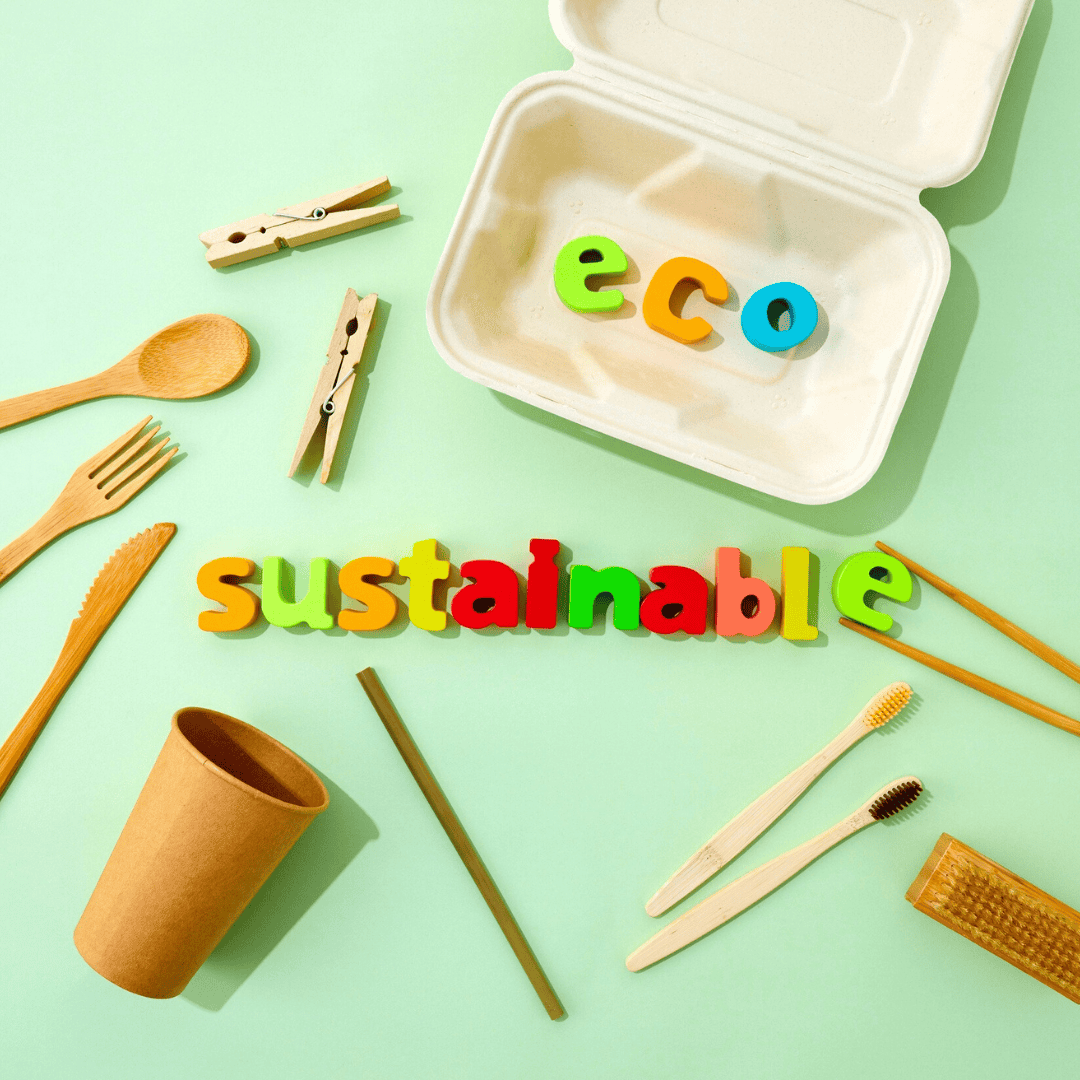
Making home life more sustainable involves practical changes that reduce waste, conserve energy, and promote mindful consumption. Simple adjustments such as switching to energy-efficient lighting, reducing single-use plastics, and choosing locally sourced food can significantly lower environmental impact. By adopting these everyday habits, anyone can contribute to a more sustainable lifestyle without major disruption.
Many people assume sustainability is expensive or complicated, but small, consistent actions in the home are both achievable and effective. Paying attention to water usage, recycling correctly, and investing in reusable products can create a positive difference. These steps build a foundation for long-term environmental responsibility.
Sustainability at home also means rethinking routines and consumption patterns to use resources wisely. It encourages conscious decisions that benefit the planet and reduce household costs over time. This is the practical path to making home life greener and more efficient.
Core Principles of a Sustainable Home
A sustainable home focuses on reducing environmental impact while improving living quality. It balances resource use with conservation, emphasising energy efficiency and thoughtful design choices.
Understanding Sustainable Living
Sustainable living involves adopting daily habits that lower carbon footprints and resource consumption. This includes reducing waste, choosing eco-friendly products, and conserving water and energy.
In a home setting, sustainable living means designing spaces that promote natural light and ventilation to reduce reliance on artificial lighting and heating. It also encourages the use of materials that are renewable or recycled to minimise environmental harm.
Residents prioritise long-term savings and environmental benefits over short-term convenience. They often participate in local recycling schemes and grow some of their own food to reduce transport emissions.
The Importance of Energy Efficiency
Energy efficiency reduces the amount of energy required to maintain comfortable home conditions. This leads to lower utility bills and less environmental strain.
Key tactics include installing insulation in walls and roofs, using double or triple-glazed windows, and selecting energy-efficient appliances with high ratings, such as those marked A++ or above.
Smart home technologies, like programmable thermostats and LED lighting, enable precise control over energy use. Such measures help avoid waste and maintain a consistent indoor climate with minimal energy demand.
Key Elements of Sustainability
A sustainable home integrates water conservation, waste reduction, and renewable energy sources. Water-saving devices like low-flow taps and dual-flush toilets reduce consumption significantly.
Waste is managed through composting organic matter and recycling packaging materials. Homes may also include solar panels or heat pumps to decrease reliance on fossil fuels.
Choosing durable, low-impact building materials—such as sustainably sourced timber or recycled metal—ensures sustainability throughout the home’s lifecycle. Regular maintenance further prolongs the life of home components, reducing replacement frequency.
Reducing Waste and Responsible Consumption
Minimising waste starts with thoughtful choices about what to buy, keep, and discard. Proper sorting and handling of materials enhances their reuse or recycling potential, while composting returns valuable nutrients to the soil. Selecting products designed for longevity further cuts down on avoidable waste.
Embracing Reduce, Reuse, and Recycle
Reducing means buying only what is necessary and avoiding single-use items. Reusing involves finding new purposes for objects instead of throwing them away, such as repurposing glass jars or donating clothes.
Recycling is the last step after reducing and reusing, turning materials like paper, plastic, and metal back into usable goods. Households should prioritise reduction and reuse to lower the burden on recycling systems.
Smart Recycling Practices at Home
Effective recycling requires separating materials correctly and keeping them clean. Items like food containers must be rinsed to avoid contaminating recyclable waste, which can cause entire batches to be rejected.
Knowing local council recycling rules ensures compliance, as accepted materials can differ widely. Flattening cardboard and removing caps from bottles improves space efficiency and processing quality.
Managing Household Composting
Composting transforms kitchen scraps and garden waste into nutrient-rich soil. Suitable materials include vegetable peels, coffee grounds, and grass clippings, while meat, dairy, and oily foods should be avoided to prevent pests.
Maintaining moisture and regularly turning the compost aids decomposition and reduces odours. A well-kept compost bin can halve the amount of waste sent to landfill and support healthy plants.
Choosing Durable and Reusable Products
Opting for products made from robust materials extends their lifespan and reduces frequent replacement. Items like stainless steel water bottles, cloth shopping bags, and rechargeable batteries are practical choices.
Avoid disposable goods where possible by selecting reusable alternatives. Durable items may cost more upfront but save money over time and decrease waste generation.
Boosting Energy Efficiency and Renewable Energy Adoption
Improving energy use in the home reduces costs and environmental impact. Practical steps include choosing efficient appliances, using renewable energy, and upgrading insulation and heating systems. Small changes to everyday appliances also contribute significantly.
Upgrading to Efficient Appliances
Replacing old appliances with energy-efficient models saves electricity and lowers bills. Look for Energy Star or equivalent UK efficiency ratings. Modern fridges, washing machines, and boilers use less power without sacrificing performance.
When buying, prioritise appliances with variable-speed motors and smart sensors. These adjust operations based on demand, reducing wasted energy. For example, inverter technology in refrigerators maintains a constant temperature at lower energy use.
Regular maintenance further improves efficiency. Cleaning filters and coils on devices like fridges or air conditioners keeps them running at peak performance, preventing unnecessary energy consumption.
Harnessing Renewable Energy Sources
Homeowners can install solar panels or small wind turbines to generate clean energy on-site. Solar photovoltaic (PV) panels convert sunlight directly into electricity and are suitable for most roofs with good sun exposure.
Adding a battery storage system allows excess power to be stored for use during cloudy periods or at night. This reduces reliance on grid electricity and maximises self-consumption of renewable energy.
Other options include solar thermal collectors to provide hot water and renewable tariffs from energy suppliers. Combining several strategies increases both sustainability and energy independence.
Enhancing Insulation and Heating
Poor insulation causes significant heat loss, raising energy use for heating. Installing cavity wall insulation, loft insulation, and double or triple glazing seals gaps and keeps warmth inside.
Upgrading heating systems to high-efficiency condensing boilers or heat pumps can cut fuel consumption considerably. Heat pumps extract ambient heat from air or ground, offering an efficient alternative to fossil fuel heating.
Smart thermostats optimise heating schedules by adjusting temperatures based on occupancy patterns. This prevents wasted energy during unoccupied hours, improving overall household energy efficiency.
Implementing Efficient Dishwashing Solutions
Modern efficient dishwashers use less water and energy compared to manual washing or older models. Choose machines with Eco programmes and good energy ratings to minimise consumption.
Using the dishwasher only when fully loaded maximises efficiency. Avoid pre-rinsing dishes, as many modern machines clean effectively without it, saving water.
Regular cleaning of filters and spray arms maintains performance and prevents energy waste. Selecting products with lower cycle temperatures also reduces energy use without compromising cleanliness.
Maintaining Sustainable Habits and Improvements
A sustainable home requires ongoing effort and evaluation. Regularly practising eco-friendly routines, investing in natural elements, and tracking energy or waste use are essential for long-term success.
Consistent Sustainable Practices
Adopting daily habits like turning off lights when not in use, reducing water waste, and avoiding single-use plastics supports sustainability. Establishing a routine for composting organic waste helps cut landfill contributions and enriches soil for gardening.
Using energy-efficient appliances and switching to LED bulbs is vital. He or she should prioritise items with high Energy Star ratings to reduce electricity consumption. Scheduling regular times to review household waste and recycling habits also promotes continual improvement.
Growing and Nurturing Indoor Plants
Indoor plants contribute to air purification and humidity balance. Selecting low-maintenance species like spider plants, snake plants, or pothos makes upkeep manageable without excessive resource use.
Consistent watering schedules and avoiding overuse of chemical fertilisers protect plant health and the environment. Repotting when necessary ensures roots have room to grow, preventing decay and waste. Integrating plants into different rooms improves overall indoor air quality and adds natural decoration.
Continuous Monitoring and Upgrading
Tracking energy consumption through smart meters or energy monitors identifies inefficiencies. He or she can set monthly targets to reduce electricity or water use based on this data.
Upgrading insulation, windows, or heating systems over time increases energy efficiency. Investing in renewable energy sources, like solar panels, further reduces environmental impact. Regular assessments guide when and where to apply improvements, ensuring the sustainable home evolves with changing needs.